
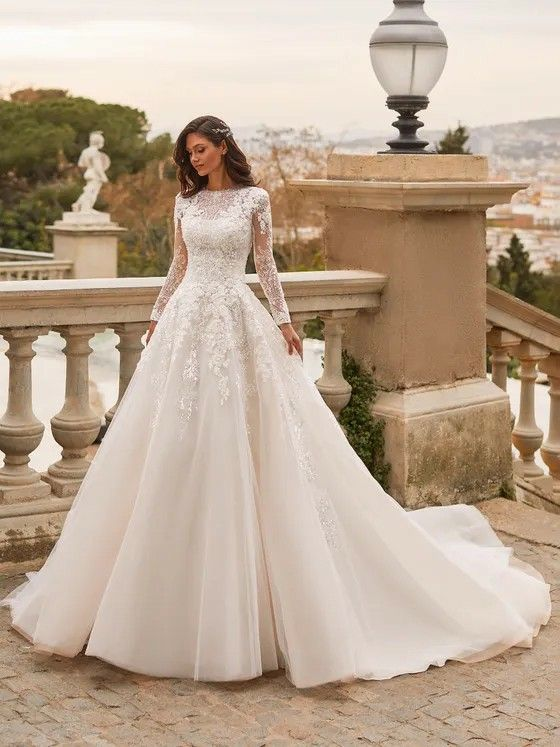
The modern bride is redefining what it means to choose a wedding dress. While beauty and elegance remain essential, today’s brides are increasingly thinking about the values behind the garments they wear. Bridal fashion is no longer only about dramatic silhouettes or intricate embellishments. It has become a reflection of personal ethics, sustainability, and mindful consumption.
This shift in perspective has led to a growing interest in ethical bridal wear, where craftsmanship, sustainability, and responsible production come together. Brides are now asking important questions about how their wedding dresses are made, where the fabrics come from, and whether the artisans involved in the process are treated fairly.
Designers like Agaati are part of this new wave of bridal fashion that values thoughtful design and responsible craftsmanship. By combining timeless aesthetics with ethical production practices, modern bridal labels are creating gowns that feel meaningful not only for the bride but also for the people who make them.
Ethical bridal fashion is not about sacrificing beauty for responsibility. Instead, it represents a new understanding of luxury, one where elegance, craftsmanship, and sustainability coexist seamlessly.
Understanding the Philosophy Behind Ethical Bridal Fashion
Ethical bridal fashion is rooted in the idea that beautiful garments should not come at the cost of environmental harm or unfair labor practices. It focuses on responsible sourcing of materials, fair working conditions for artisans, and production methods that minimize waste.
This approach recognizes the importance of transparency within the fashion industry. Brides today are more informed and conscious about their purchasing decisions. They want to know the story behind their wedding dress, from the origins of the fabric to the hands that crafted the final garment.
Many designers are responding by prioritizing slower, more thoughtful production processes. Instead of mass-producing gowns, they create limited collections or custom pieces that emphasize quality and craftsmanship.
Brands such as Agaati are helping redefine bridal luxury by demonstrating that sustainability and elegance can exist t
The Growing Demand for Sustainable Wedding Fashion
Weddings are often associated with extravagance, but a growing number of couples are embracing sustainability in every aspect of their celebrations. From eco-friendly venues to locally sourced flowers and zero-waste décor, the wedding industry is evolving to meet the values of environmentally conscious couples.
Bridal fashion is naturally becoming part of this transformation. Traditional wedding gowns are often worn once and then stored away, making them a symbol of one-time consumption. Ethical bridal fashion challenges this idea by encouraging designs that hold lasting value.
Designers are exploring ways to create dresses that can be preserved, altered, or even repurposed in the future. Timeless silhouettes, versatile fabrics, and thoughtful construction ensure that a bridal gown remains relevant beyond the wedding day.
This shift reflects a broader cultural movement toward sustainability, where meaningful purchases are favored over disposable fashion.
Responsible Materials in Modern Bridal Design
One of the most important aspects of ethical bridal fashion is the choice of materials. Designers committed to sustainability carefully consider the environmental impact of the fabrics they use.
Natural and biodegradable materials such as silk, organic cotton, and responsibly sourced lace are becoming increasingly popular in bridal collections. These fabrics not only offer luxurious textures but also reduce the environmental footprint associated with synthetic textiles.
In addition to fabric selection, designers are exploring ways to reduce waste during production. Pattern efficiency, fabric repurposing, and small-batch manufacturing help minimize excess material while maintaining high standards of craftsmanship.
These thoughtful practices demonstrate that sustainability can enhance creativity rather than limit it. By focusing on responsible materials, designers create wedding dresses that feel luxurious while aligning with ethical values.
Supporting Artisan Craftsmanship
Ethical bridal fashion also emphasizes the importance of supporting skilled artisans. Many traditional textile and embroidery techniques are preserved by small communities of craftspeople whose work represents generations of cultural knowledge.
By collaborating with these artisans, bridal designers contribute to the preservation of heritage crafts while ensuring fair wages and respectful working conditions.
Hand embroidery, delicate beadwork, and intricate lace techniques add depth and character to bridal gowns. These elements transform each dress into a piece of art that carries cultural significance and human craftsmanship.
When brides choose ethically produced wedding dresses, they become part of a larger story that supports creativity, heritage, and responsible design.
Why Ethical Bridal Fashion Is Here to Stay
The rise of ethical bridal fashion reflects a deeper shift in consumer values. Brides are no longer satisfied with garments that are simply beautiful; they want dresses that represent integrity, responsibility, and authenticity.
This movement is likely to shape the future of the bridal industry. As awareness continues to grow, more designers are expected to adopt sustainable practices and transparent production methods.
Ethical bridal fashion proves that luxury does not need to be wasteful. Instead, true luxury can be found in craftsmanship, thoughtful materials, and garments created with care.
By embracing responsible design, the bridal industry is evolving toward a more meaningful and sustainable future.
Celebrating Weddings with Purpose
A wedding dress holds immense emotional significance. It represents love, commitment, and one of life’s most memorable celebrations. Choosing an ethically produced gown adds another layer of meaning to that experience.
Ethical bridal fashion allows brides to celebrate their special day while supporting values that extend beyond the wedding itself. It encourages mindful consumption and highlights the beauty of craftsmanship and sustainability.
As more brides seek authenticity and responsibility in their wedding choices, ethical bridal wear will continue to grow as a powerful movement within the world of fashion.
Ultimately, a wedding dress becomes more than a symbol of style. It becomes a reflection of values, craftsmanship, and the desire to create meaningful moments that leave a positive impact on the world.